

How Many Days are Needed to See Florence and Tuscany
It is one of the most frequent questions when planning a trip: how many days are truly needed to see Florence and Tuscany? The short answer is that it depends on how you want to experience them. The more useful answer is that a little time doesn’t necessarily mean a limited experience, if everything is well organized.
There is a big difference between visiting a city and visiting a region. Florence is experienced on foot, Tuscany is experienced by moving around. And this is precisely where the importance of organization comes into play, especially when you don’t have many days available.
Florence in 1 Day
Florence is an extremely compact city. The historic center can be visited almost entirely on foot, and internal travel is minimal.
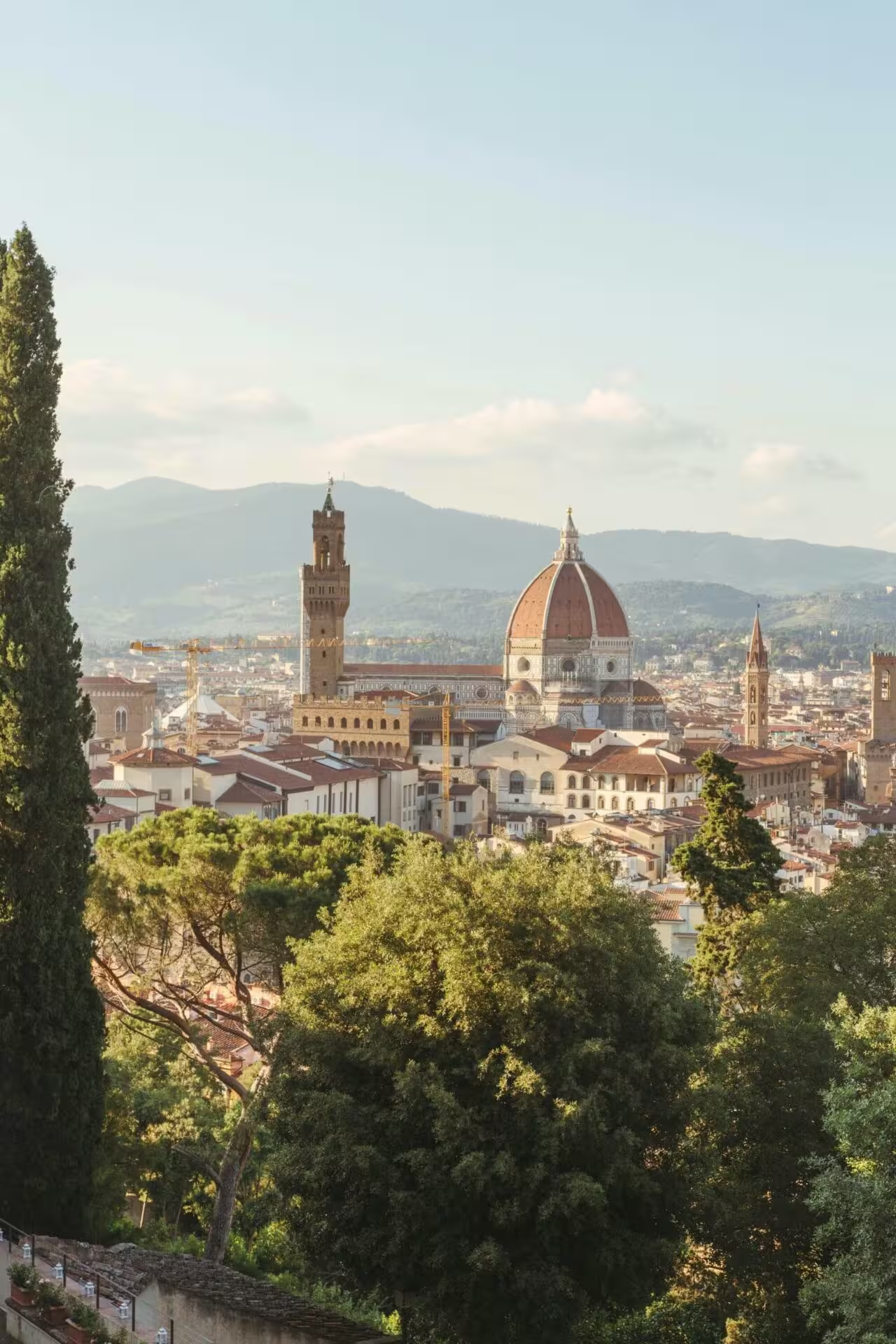
The main points of interest can be reached in 10–15 minutes. The central axis connecting the Florence Cathedral (Duomo di Firenze), Via dei Calzaiuoli, and the Ponte Vecchio crosses the heart of the city, with the main squares distributed along the route or just a few steps away.
One day is enough for a first general overview: walking, orienting yourself, understanding the soul of the city. It is not an in-depth visit, but it is complete enough to leave a clear impression of Florence.
Florence in 3 Days
Three days are the ideal duration to experience Florence without rushing.
The first day can be dedicated to a walk in the historic center, a general overview, and the first impact with the city.
The second day is perfect for the main museums and for delving more into the artistic and cultural history.
The third day allows you to slow down: rooftops, panoramic viewpoints, less central neighborhoods, and more relaxed experiences.
With three days, you find the best balance between culture and free time, without the feeling of having to rush.
How Many Days are Needed for Tuscany
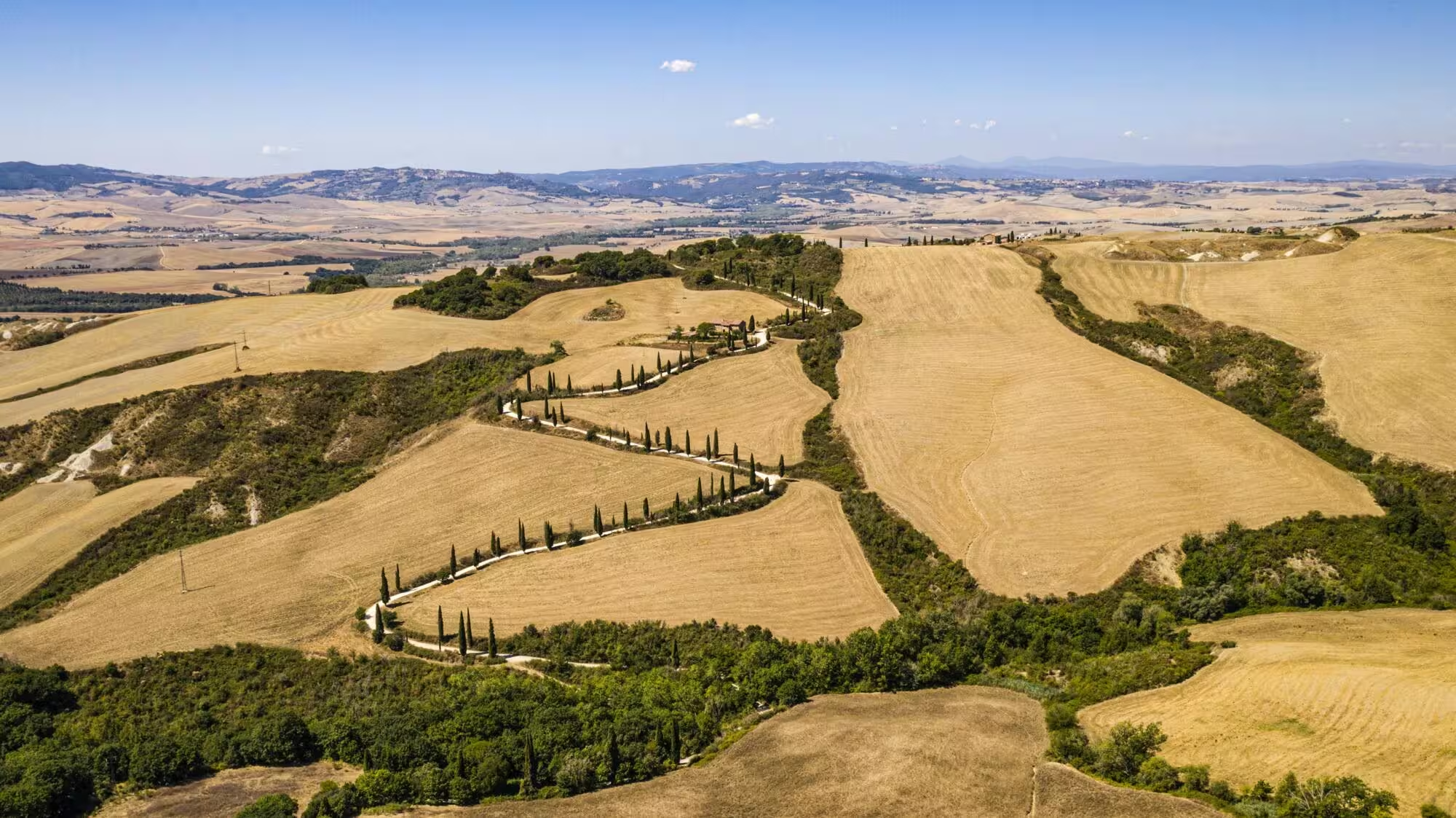
Tuscany is a large region, but not scattered. The distances between villages, cities, and countryside are contained, and the landscape becomes a central part of the experience, not just the backdrop.
Unlike Florence, here moving around matters as much as the destinations.
Tuscany in 3 Well-Organized Days
Visiting Tuscany in three days is absolutely possible, provided you accept a clear idea: it is not about seeing everything, but about seeing well. The region is vast but not scattered, and for this very reason, good organization of travel makes the difference between a pleasant experience and a constant race against time.
When transfers are logically planned, even a few days become sufficient. A very effective solution is to distribute visits over several half-days, perhaps alongside a full day dedicated to a specific area. This way, unnecessary travel is avoided, downtime is reduced, and a sustainable pace can be maintained.
Logistical support becomes fundamental: knowing where to go, how much time is truly needed, and how to move between areas allows you to experience Tuscany more fluidly, without the feeling of having to constantly reorganize the schedule.
What You Can See in 3 Days in Tuscany
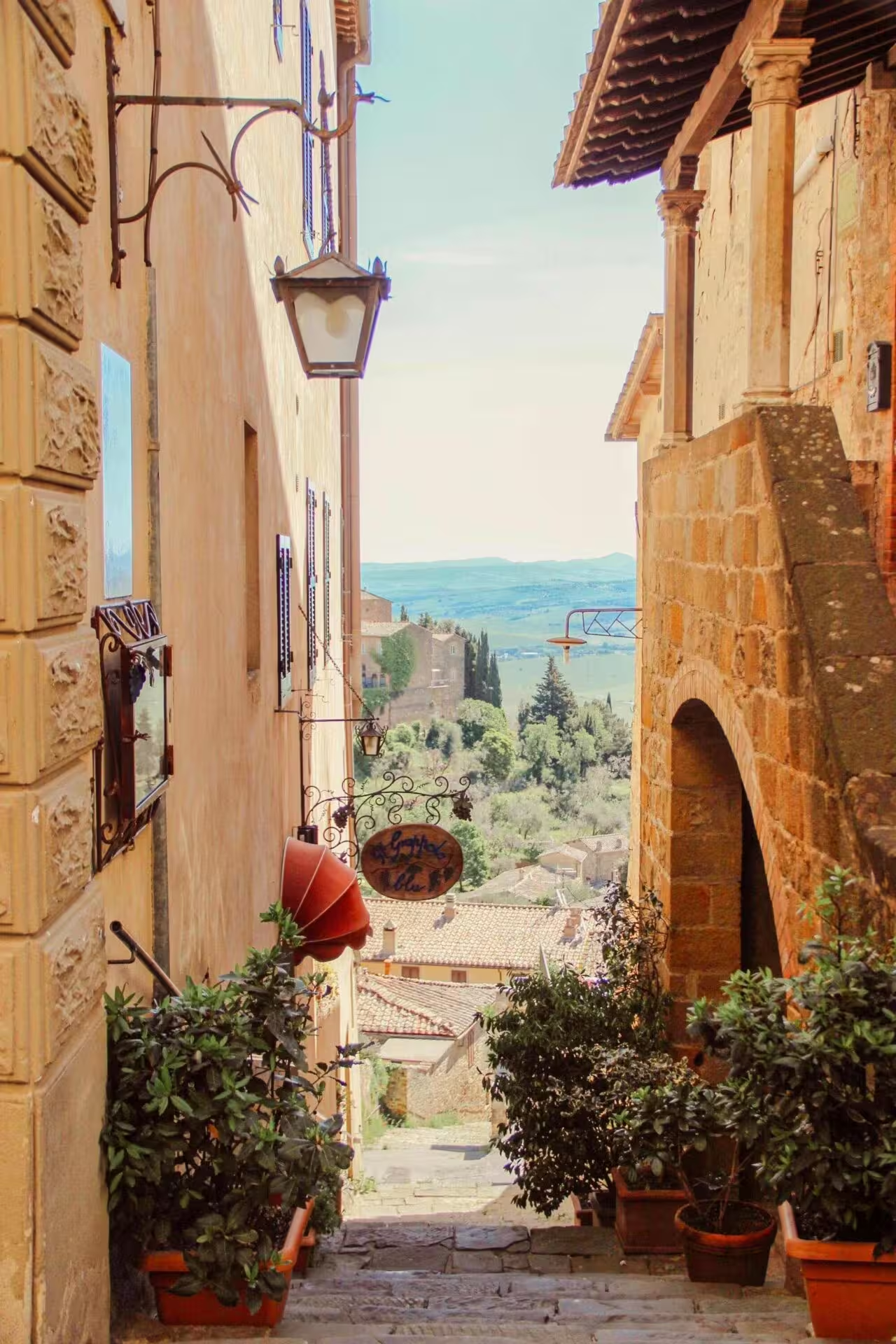
In three well-distributed days, Tuscany offers a surprisingly complete overview. You cross diverse territories without ever having the impression of repetition. Etruscan-era villages and medieval hamlets alternate with open countryside, with scenic roads connecting the stages and making every transfer part of the experience.
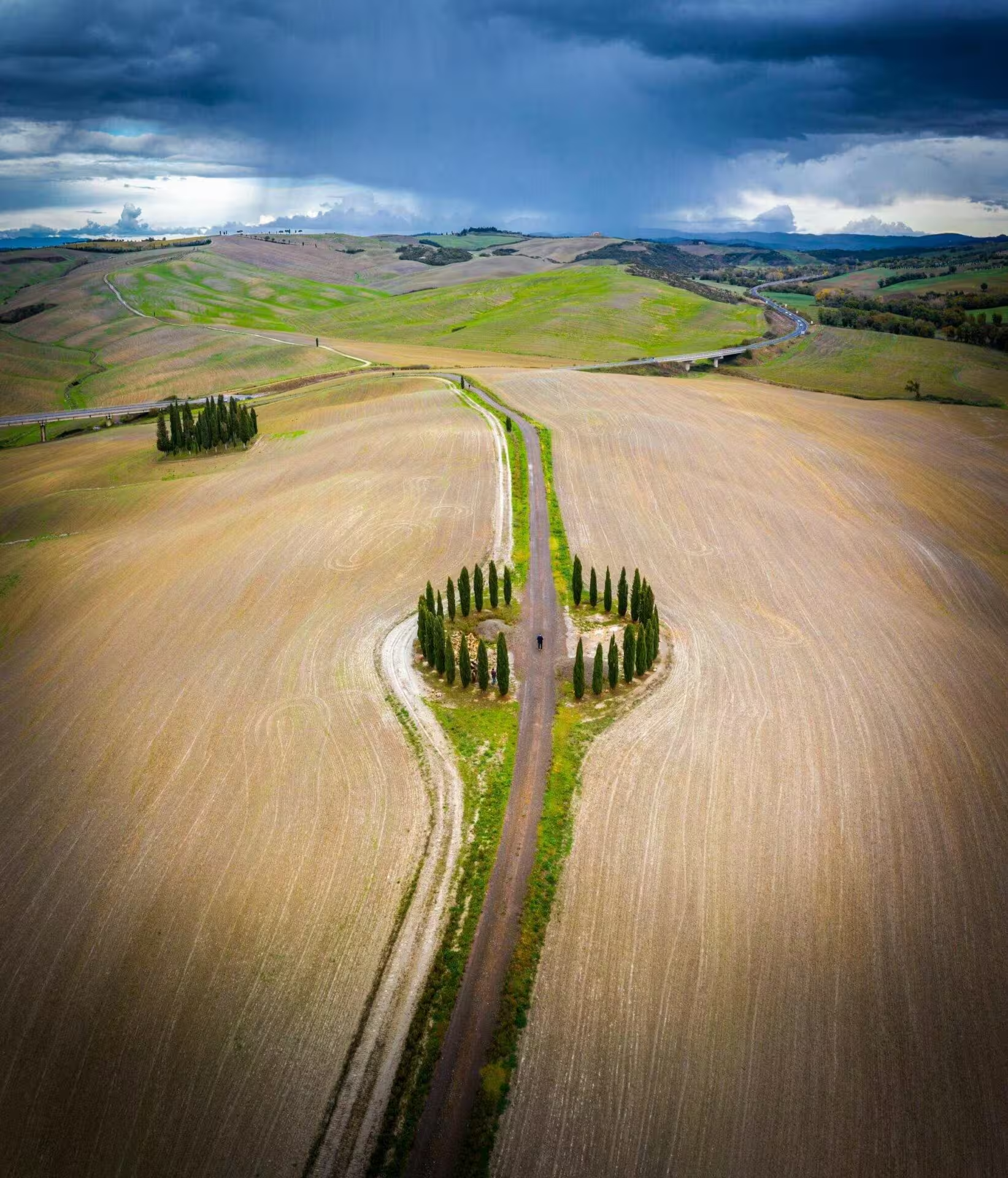
The landscape changes gradually, without sharp breaks: cultivated hills, small centers immersed in greenery, stretches of road that invite you to slow down and observe. Even without entering every single place, you get a clear perception of the Tuscan identity, made up of continuity, balance, and a constant relationship between man and territory.
It is not a trip “to collect places,” but to build a coherent story, where each day links to the next without strain.
Experiences That Can Be Integrated
One of the most interesting aspects of Tuscany is that experiences naturally fit into the trip. They are not added elements, but integral parts of the territory.
Based on the time available, it is possible to supplement visits with moments dedicated to typical cuisine, lunches in local or countryside restaurants, wine tastings in historic or contemporary cellars. Even a single well-chosen experience can add depth to the day and make the memory much more vivid.
The important thing is to adapt everything to the real time available. Don’t fill the agenda, but choose. When experiences are calibrated to the pace of the trip, they become an added value and not a source of stress.
Improvised Tuscany or Organized Tuscany
An improvised Tuscany often leads to lost time and inefficient travel. You spend more time figuring out how to move than enjoying the places.
An organized Tuscany, on the other hand, allows you to see more things with less stress. Moving around becomes part of the journey, not a problem to be solved every time. The experience is more fluid, and time is better utilized.
Ultimately, it’s not just about how many days you have, but how they are used.