

Tuscan Wineries: Which ones to visit and why
Tuscany is one of the most important wine regions in the world, but everyone knows that now. What is often not so clear is how to visit it and where to start, especially if time is limited and you don’t want to end up in standard, all-the-same experiences.
Here, wine is not just production. It is territory, landscape, history. Wineries are not simply places where you taste, but places to live, to pass through calmly, understanding what is behind what you drink.
And that is precisely why it makes sense to distinguish between iconic and historic wineries and more sought-after and conceptual wineries. Not because one is better than the other, but because they offer different experiences.
Iconic Wineries and More Sought-After Wineries
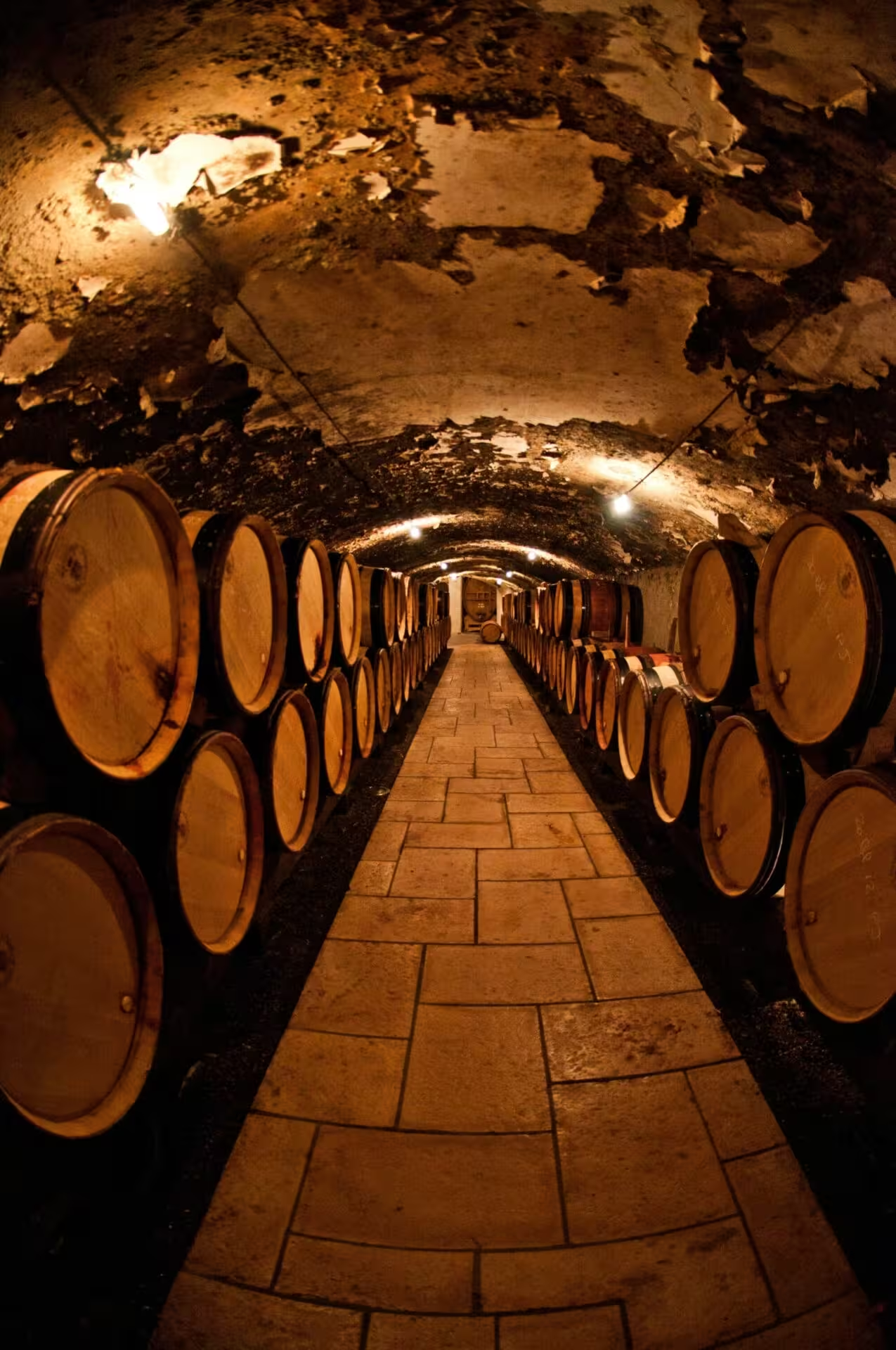
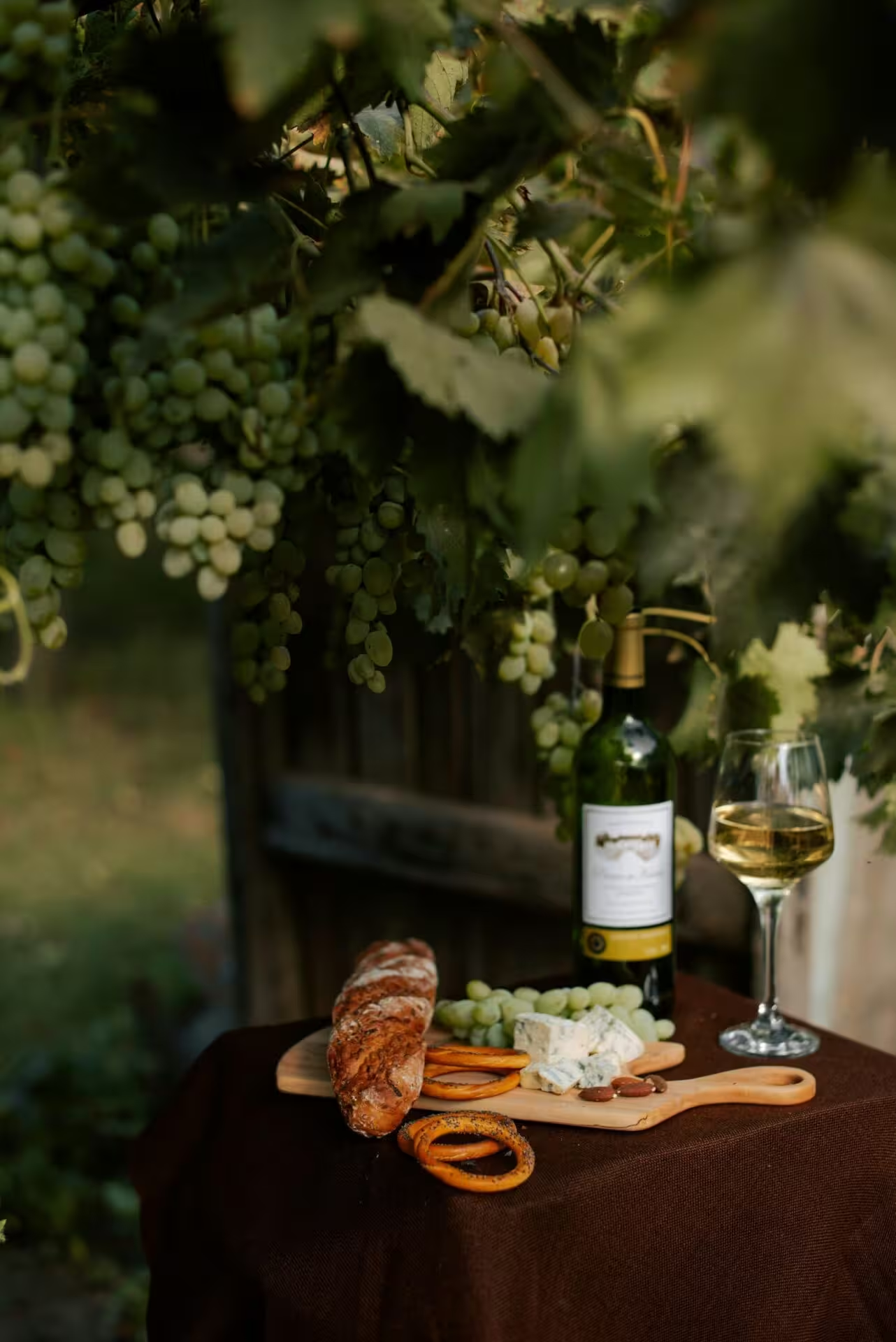
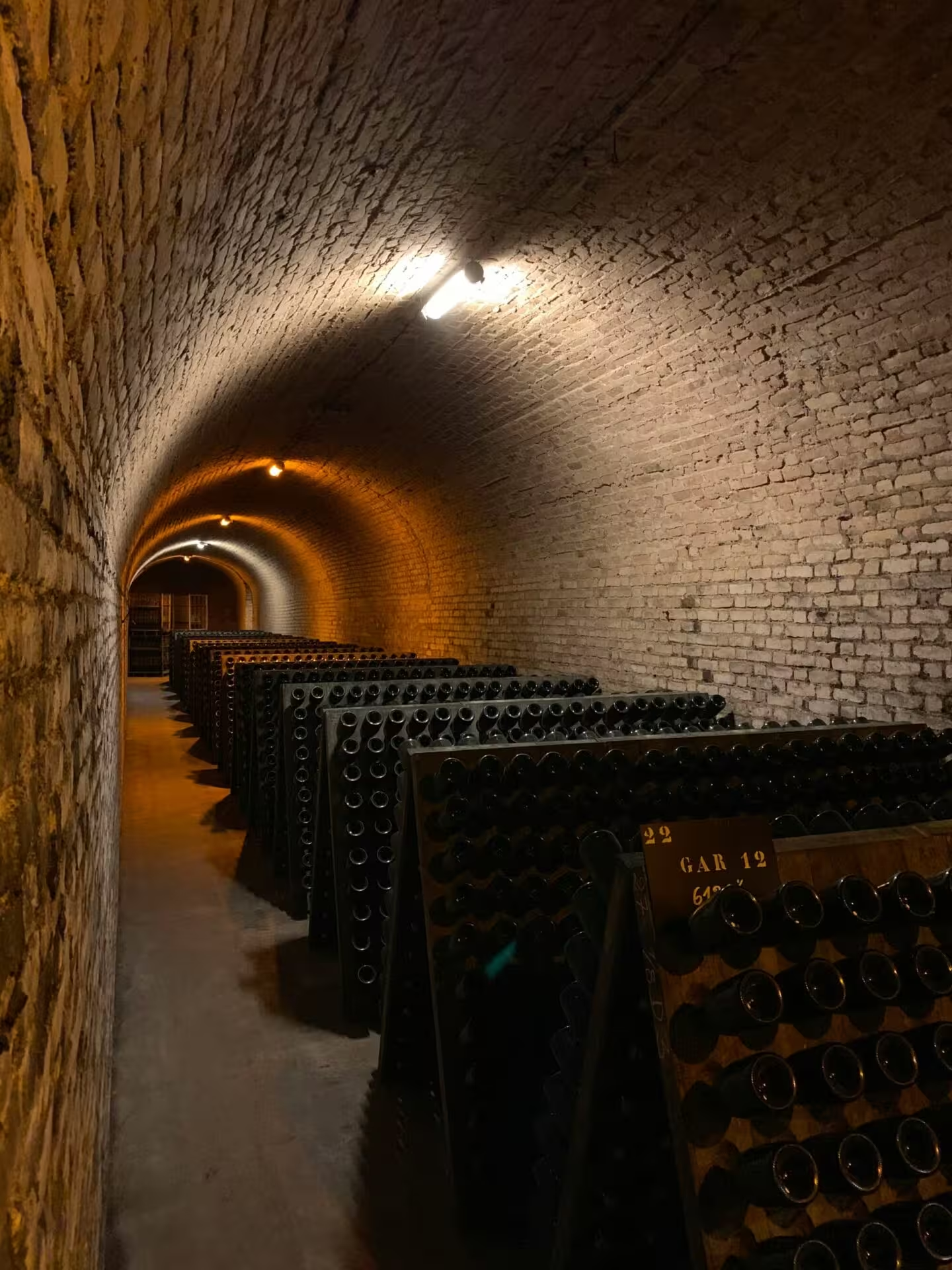
Some wineries represent Tuscany to the world. They are large, organized, structured to welcome visitors from every country. Others are more intimate, less immediate, often linked to a precise idea of wine and territory.
In both cases, the difference is made by the guided tour. Entering a winery without a story behind it means missing a large part of the experience. Understanding where you are, why that area is special, what makes that wine different, completely changes the perception.
Even the way you arrive at the winery matters. The roads through the hills are as much a part of the journey as the tasting. This is why logistics and the organization of travel have a real, not secondary, value.
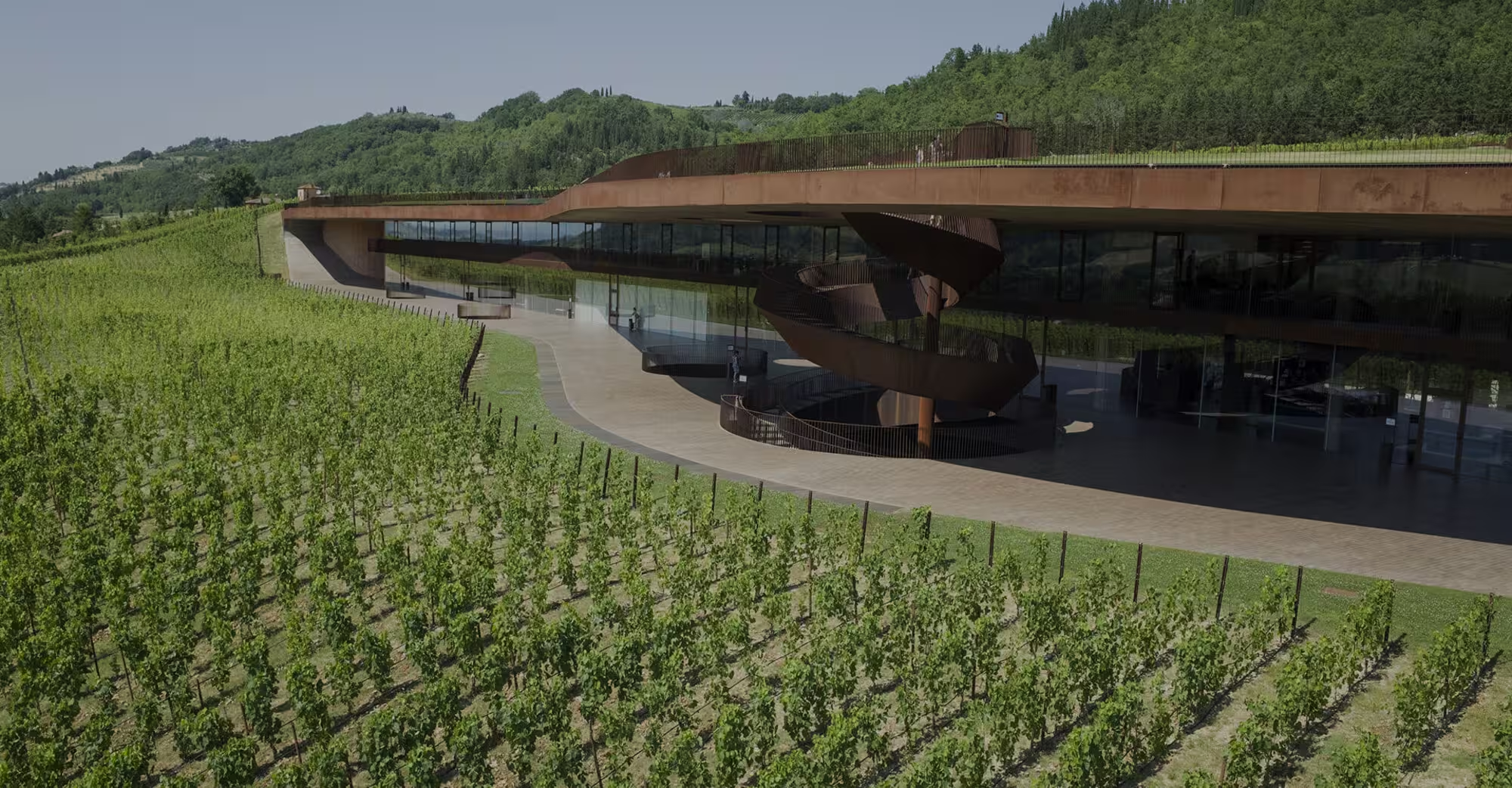
Antinori nel Chianti Classico
Antinori is one of the oldest wine families in Italy. Their history spans centuries and has become, over time, a symbol of Tuscan wine in the world.
The winery in Chianti Classico is a perfect example of how tradition and innovation can coexist. The architecture is modern, integrated into the landscape, designed not to visually impact the surrounding hills. It is not a building that imposes itself, but a space that fits into the territory.
The visit is very detailed, organized in detail, and also suitable for those approaching the world of wineries for the first time. It is the right place for those who want a first great experience, in an iconic location, where everything is studied to offer a complete vision, without being cold or impersonal.
Castello di Verrazzano
Castello di Verrazzano is the most classic image of Chianti. A historic castle immersed in vineyards, in a dominant position on the hills of Greve in Chianti.
Here, the link between wine, history, and territory is immediate. The wine production is historic, but what is striking is the continuity: vineyards, cellar, and historic structure are part of the same complex. There is no separation between place and product.
The visit is authentic, traditional, very much linked to the Tuscany that many imagine before arriving. It is ideal for those seeking atmosphere, landscape, and a sense of a past still alive, far from the most modern and conceptual wineries.
Castello di Ama
Castello di Ama is a different reality. We are still in Chianti Classico, but here the experience goes beyond wine.
The quality of production is very high, but what makes this place particular is the presence of contemporary art within the estate. Installations, works, and rural architecture coexist with the vineyards naturally, without forcing.
The visit also becomes a cultural experience. It is not the “classic” winery and is not designed for everyone. It is ideal for those seeking something more refined, for the curious, for those who want to combine wine and art and have an experience that is less immediate, but deeper.
Three Wineries, Three Different Approaches
Antinori represents innovation, architecture, and an international vision of Tuscan wine.
Verrazzano is tradition, history, and classic Chianti in the most authentic sense of the term.
Castello di Ama is research, extreme quality, and a dialogue between wine and contemporary art.
Three different ways of interpreting the same territory, all valid, all complementary.
Some Practical Aspects to Keep in Mind
Wineries almost always need to be booked in advance, especially in high season. Visiting hours and times can vary greatly, as can the duration of the experience.
It is possible to combine several wineries in one day, but it requires good organization of travel. The hills are beautiful, but they should not be underestimated from a logistical point of view. Planning well means enjoying the experience without rushing and without unforeseen events.